


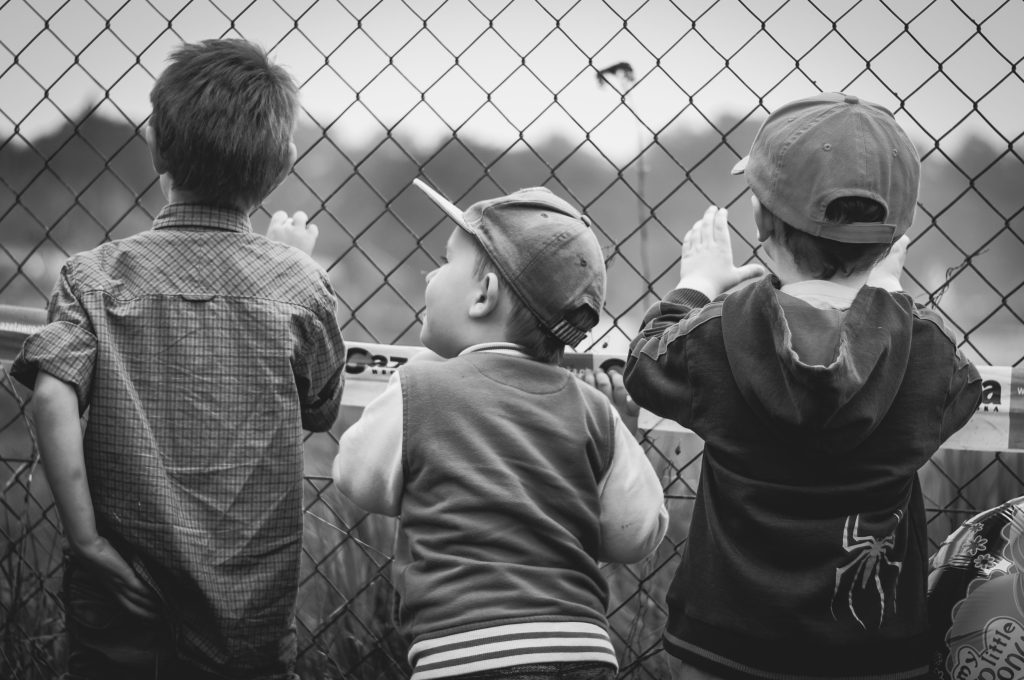
Children have a habit of asking enormous questions at the least convenient moments. You’ll be halfway through making dinner, trying to find a missing school shoe, or driving through traffic when a small voice from the back seat suddenly asks what happens after we die, why people pray, who God is, or why some stories in the Bible sound so different from the stories they read at school.
It can be tempting to rush through those conversations, mostly because adults don’t always feel as prepared as children assume we are. Big questions can catch us off guard, and when faith enters the picture, many parents, grandparents, teachers and parish leaders want to answer warmly without making things feel heavy or overly complicated.
That’s one reason religious books for kids can be so helpful. Not because they hand children a neat script for every mystery, but because they give families a gentler way into conversations that might otherwise feel too big to begin.
Stories give children somewhere to start
Children often understand the world through stories long before they can explain what they believe. A story about kindness, forgiveness, courage, hope or prayer can give them a way to explore faith without feeling like they’re sitting through a lesson. The best children’s books don’t talk down to young readers; they meet them where they are, with language, pictures and examples that feel close to everyday life.
This matters because faith can seem abstract to a child when it’s only presented through rules or formal explanations. A book can make it feel more human. It can show a child what compassion looks like in the playground, what gratitude might sound like before bed, or how prayer can be part of ordinary moments rather than something reserved only for church.
Reading together makes room for questions
One of the loveliest things about sharing faith-based books with children is that the conversation doesn’t have to be perfect. You don’t need to have every answer ready, and you don’t need to turn each page into a teaching moment. Sometimes the most meaningful part is simply sitting together and allowing questions to come up naturally.
A child might point at a picture and ask why someone is helping a stranger. They might wonder why a character is sad, or why prayer makes someone feel less alone. Those little openings can lead to thoughtful conversations, but they can also be left as gentle reflections. Not every question needs a lecture attached to it.
Choosing books that feel alive
A good religious book for a child should feel like something they actually want to pick up. That sounds obvious, but it’s easy to forget. Children are drawn to rhythm, colour, warmth, humour and characters they can recognise themselves in. If a book feels stiff or distant, it may struggle to hold their attention, no matter how worthwhile the message is.
The most useful books are often the ones that sit comfortably beside everything else on the shelf. They can be read at bedtime, used in classrooms, shared during sacramental preparation, or given as gifts for baptisms, First Communion and other milestones. When a book becomes familiar, its ideas have more time to settle.
Faith doesn’t need to feel intimidating
Adults sometimes worry that they need to present faith with complete confidence, but children usually respond better to honesty, warmth and curiosity. It’s okay to say, “That’s a really good question,” or “I wonder about that too.” In fact, those responses can teach children that faith isn’t only about memorising answers; it’s also about paying attention, wondering deeply and growing over time.
Books can support that process beautifully. They give children language for things they may already feel, like awe, gratitude, worry, love and the need to belong. They also remind adults that introducing children to faith doesn’t have to be formal or forced. Sometimes it begins with a story, a quiet moment, and a question that opens a door neither of you expected.